


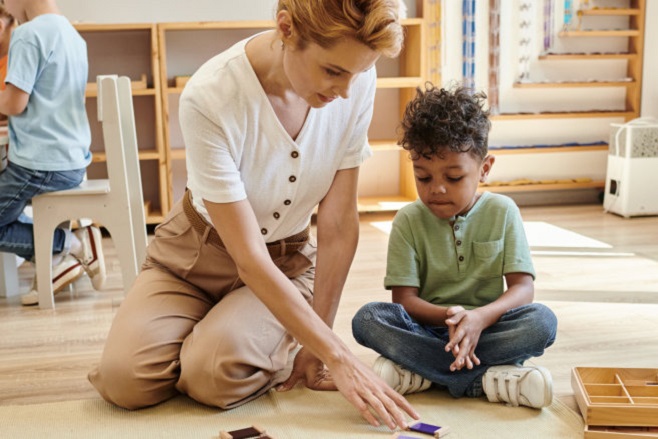
Watching a child struggle with everyday tasks or social situations can be challenging for any parent. Many children face hurdles that make it hard for them to feel confident in themselves, whether it’s speaking up in class, making friends, or learning new skills. Applied Behavior Analysis (ABA) therapy offers practical strategies to support children in building confidence, step by step.
ABA focuses on teaching positive behaviors and reducing challenges by using clear, structured approaches. One of the key ways ABA helps boost confidence is through skill mastery. When children learn a new skill, whether it’s tying their shoes, communicating a need, or completing a small task independently, it gives them a sense of accomplishment. These small wins gradually help children see that they are capable, which strengthens their overall confidence.
Early intervention therapy is another key component, helping children develop foundational skills that strengthen self-esteem and confidence from a young age.
Another important aspect of ABA is breaking down complex tasks into smaller, achievable steps. This method allows children to experience success more frequently instead of feeling overwhelmed. Every small success reinforces their belief in themselves and encourages them to try new things. Over time, children become more willing to face challenges because they know that progress is possible.
Behavioral intervention programs play a major role in fostering confidence. Through structured practice and consistent feedback, children learn to manage challenges while gaining independence. These programs are tailored to meet each child’s needs, ensuring they achieve personal milestones at a comfortable pace.
ABA also emphasizes positive reinforcement, which is essential for building confidence. When a child receives praise or encouragement for their efforts, they begin to associate trying new things with positive outcomes. This not only motivates them but also helps them develop a stronger self-image. Consistent support from therapists, teachers, and caregivers ensures that children feel valued and capable.
Social skills training is another area where ABA can make a big difference. Learning how to interact with peers, take turns, and communicate effectively can be daunting for some children. Through ABA programs, children practice these skills in safe and structured settings. As they succeed in social interactions, their confidence grows, helping them engage more comfortably with others outside of therapy.
At Creative Foundations LLC, we offer individualized ABA services designed to help children celebrate successes, learn new skills, and develop the confidence they need to thrive. If you want to see your child grow into a confident, capable individual, reach out to us today. Our team is here to guide every step of the way, ensuring your child feels supported, encouraged, and ready to embrace new challenges.
Leave a Reply