


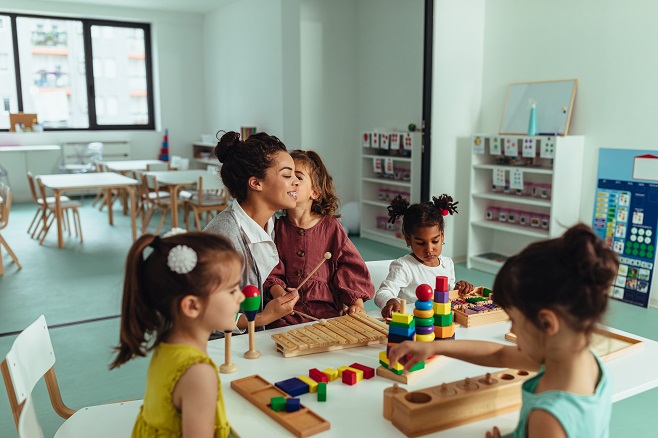
Bullying can affect children of all ages, including those in daycare and preschool. Early social experiences play a critical role in shaping behavior, self-esteem, and interpersonal skills. When negative behaviors occur in these settings, they can have lasting impacts on a child’s emotional and social development. Addressing bullying in early childhood helps create safe environments where children can learn, interact, and grow with confidence and security. Providing support and guidance at this stage lays the foundation for healthy relationships and future emotional resilience.
- Recognizing Bullying in Young Children
Bullying in early childhood may look different from that in older children. It can include verbal teasing, physical aggression, social exclusion, or repeated acts of taking or damaging another child’s belongings. Even minor-seeming behaviors can significantly affect a child’s sense of safety and belonging.
Daycare and preschool staff should be attentive to early warning signs. Indicators may include:- Frequent crying, withdrawal, or reluctance to participate during group activities
- Avoidance of certain peers or areas of the classroom
- Aggressive behavior toward classmates or siblings at home
- Sudden changes in mood, appetite, or sleep patterns
- Recognizing these behaviors early is essential. Prompt intervention not only prevents escalation but also helps children understand boundaries and develop healthy social skills. By carefully observing children, staff can identify patterns and address them before they affect a child’s long-term emotional well-being.
- Common Causes of Bullying in Preschools
Several factors may contribute to bullying behaviors among young children:- Modeling Adult Behavior: Children often mimic the communication styles and problem-solving approaches they observe at home. Exposure to harsh language, aggressive interactions, or dismissive behavior can influence children to behave similarly in daycare settings.
- Developing Social Skills: Preschoolers are learning to share, negotiate, and express their feelings appropriately. Limited social skills can result in frustration and unkind behavior when conflicts arise.
- Environmental Stress: Events such as separation anxiety, changes at home, or overstimulation in the classroom can trigger negative interactions among young children.
- Peer Influence: Children may imitate peers’ actions to gain attention, belong to a group, or respond to perceived social pressures.
- Understanding these causes allows caregivers to address bullying in a sensitive, effective way. By creating interventions that account for a child’s environment, stressors, and developmental stage, staff can prevent repeated negative behaviors and promote a positive atmosphere.
- Effective Prevention Techniques for Daycare Staff
Daycare and preschool staff play a central role in preventing bullying. The following strategies help foster positive social interactions and reduce aggressive behavior:- Clear Behavior Guidelines: Establish simple, understandable rules about acceptable behavior. For example, “Use kind words,” “Take turns,” and “Keep hands to yourself” can help children internalize expectations.
- Positive Reinforcement: Praise children when they cooperate, share, or demonstrate empathy. Encouraging positive social behavior repetition for kids builds self-esteem.
- Conflict Resolution Activities: Teach children age-appropriate ways to handle disputes, express emotions, and resolve conflicts. Role-playing exercises or storytelling activities can help children practice problem-solving in a safe environment.
- Parental Collaboration: Maintaining communication with families ensures that expectations are consistent between home and daycare. Parents can reinforce lessons about kindness, empathy, and respectful interactions.
- Observation and Prompt Intervention: Staff should monitor interactions closely and address issues as soon as they arise. Early intervention prevents escalation and helps children understand social boundaries.
- By combining structure, guidance, and encouragement, daycare staff create an environment that supports positive behavior and reduces the likelihood of bullying.
- Helping Children Cope with Bullying
Children who experience bullying need support to manage emotions and develop healthy coping strategies. Caregivers can assist by:- Listening attentively to the child’s concerns without judgment
- Validating feelings and helping children identify and name their emotions
- Teaching strategies to respond to conflict safely and assertively
- Encouraging structured group activities that promote inclusion
- Partnering with parents to ensure consistent guidance at home
- A nurturing response to bullying teaches children that their feelings matter and that they have tools to manage difficult situations.
- The Importance of Educating Caregivers and Families
Preventing bullying requires a collaborative effort between staff and families. Educating caregivers about early warning signs, conflict management, and positive reinforcement equips them to address issues effectively. Workshops, training sessions, and accessible resources can help families and staff understand the effects of bullying and implement strategies that encourage kindness and inclusion.
Ongoing awareness ensures that children receive consistent guidance both at daycare and at home, thereby strengthening lessons in respect, empathy, and cooperation. Families who actively engage in prevention efforts provide children with the support they need to develop strong social and emotional skills.
- Creating a Safe and Supportive Environment
A daycare that emphasizes safety, structure, and emotional support encourages positive social interactions. Strategies for fostering a secure environment include:- Organizing small group activities to reduce conflict and encourage teamwork
- Rotating play partners to help children form diverse friendships
- Incorporating cooperative games and shared responsibilities to build social skills
- Maintaining a calm, predictable classroom atmosphere with structured routines
- When children feel safe and supported, they are less likely to exhibit aggressive behavior and more likely to engage in cooperative play and positive social interactions.
- Next Steps for Parents and Educators
Addressing bullying in early childhood is essential for emotional and social development. By recognizing early signs, understanding contributing factors, and implementing effective prevention strategies, caregivers can reduce bullying incidents and encourage positive interactions among children.
For families seeking guidance on preventing bullying and promoting social growth in young children, you can reach out to us at Creative Foundations LLC anytime with your inquiries. Our professional support helps children gain confidence, strengthen social skills, and thrive in nurturing daycare and preschool settings.
Leave a Reply