


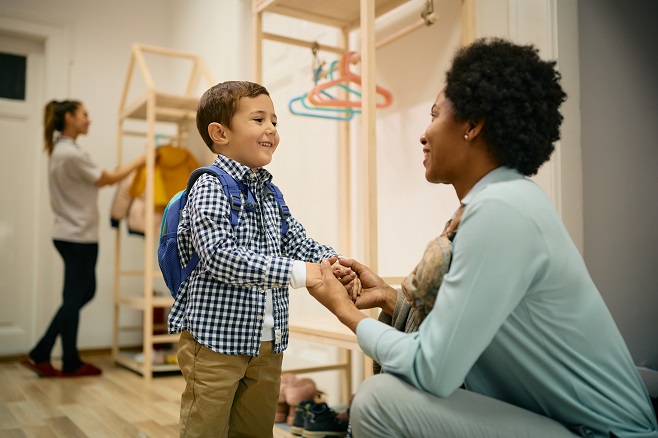
Social skills are essential for forming friendships, communicating effectively, and navigating daily interactions. Yet, for many children and adults—especially those with developmental differences—these skills don’t always come naturally. This can be challenging for both the individual and those who care about them. The good news is that social skills can be taught, practiced, and strengthened with thoughtful, structured support.
Understanding how to help someone build these skills requires more than just encouragement—it involves intentional approaches that cater to their learning style, needs, and environment. Special instruction methods provide structured guidance, making it easier for individuals to learn, practice, and use social skills confidently. Let’s explore practical and effective ways to develop social skills.
- Direct Instruction
Direct instruction is a structured, step-by-step method of teaching social skills. It works best when skills are broken down into small, manageable parts. For example, rather than simply telling a child to “be nice,” a direct instruction approach might teach them to greet someone by saying “hello” and making eye contact, then practice that skill repeatedly in different scenarios.
This method often includes modeling, where a teacher, therapist, or caregiver demonstrates the skill first. After observing, the learner practices while receiving immediate feedback. Direct instruction is particularly effective for children with autism spectrum disorder (ASD) or other social communication challenges because it provides clear expectations and guidance. Many families have seen strong results when ABA therapy techniques are incorporated into direct instruction, ensuring consistency and measurable progress. - Social Stories
Social stories are short, easy-to-understand narratives that describe specific social situations and guide appropriate responses. They are useful for preparing learners for situations that may be confusing or stressful, like joining a group activity, sharing toys, or asking for help.
For instance, a social story about taking turns might describe a scenario where one child waits while another plays with a toy, then explains the steps for politely asking for a turn. Social stories can be read aloud, displayed visually, or even turned into interactive role-play sessions. often pairs well with social stories, allowing learners to practice the behaviors outlined in the story in real-world settings. - Video Modeling
Video modeling is another effective tool for teaching social skills. This approach uses short videos to show individuals how to perform specific social behaviors. Watching someone else navigate a social situation helps learners see what is expected, and it can be easier to understand than verbal instructions alone.
For example, a video might show a peer inviting someone to play a game, smiling, and using polite language. After watching, the learner can practice the same interaction in real life. Video modeling is especially helpful because it allows learners to replay the scenario multiple times until they feel comfortable. Behavior intervention strategies are often incorporated into video modeling, providing clear reinforcement and feedback for positive social behaviors. - Peer-Mediated Instruction
Learning from peers can be highly motivating and effective. Peer-mediated instruction involves teaching classmates or friends to act as social models or coaches. They can prompt, guide, and reinforce positive social behaviors in natural settings.
For example, a peer might help a child learn how to join a conversation, offer a compliment, or share materials in a group activity. This approach not only teaches social skills but also fosters friendships and inclusivity. It encourages learners to apply what they’ve learned in real-world settings rather than only in structured sessions. Applied behavior analysis principles can be applied here to track improvements and adjust supports based on the learner’s responses. - Role-Playing
Role-playing is a hands-on method that allows learners to practice social interactions safely. By acting out different scenarios, they can explore how to respond, understand social cues, and experiment with language and behavior.
An instructor might set up a role-play in which one learner asks a question, and another responds politely. Afterwards, the participants discuss what went well and what could be improved. Role-playing helps learners gain confidence, develop empathy, and better understand others’ perspectives. - Visual Supports
Visual supports like charts, cue cards, or picture schedules are highly effective for building social skills. They provide concrete reminders of expected behaviors and steps in social interactions.
For example, a visual chart might list the steps for greeting a peer: 1) say hello, 2) smile, 3) ask a question. Visual cues make abstract social concepts more concrete and accessible. They are particularly helpful for individuals who learn best through visual information rather than verbal instructions alone. - Positive Reinforcement
Encouragement and rewards are key when teaching social skills. Positive reinforcement motivates learners to repeat desired behaviors. This could be verbal praise, stickers, tokens, or access to a preferred activity after successfully using a skill.
For instance, if a child appropriately asks a friend to play, the instructor can immediately acknowledge the behavior: “Great job asking politely!” Over time, consistent reinforcement helps learners internalize social rules and strengthens their confidence in social settings. - Small Group Interventions
Small group settings offer opportunities to practice social skills in a controlled environment. Groups can focus on specific skills like conversation, sharing, turn-taking, or problem-solving.
Working in a small group allows learners to observe peers, try out skills, and receive feedback without the pressure of a larger social environment. It also promotes natural interactions and collaboration, which are essential for social development. - Natural Environment Teaching
Practicing social skills in real-life settings helps learners generalize what they’ve learned. This approach, called natural environment teaching, encourages learners to use social skills in everyday contexts, such as during playtime, in the classroom, or at community events.
For example, a caregiver might prompt a child to greet a neighbor or participate in a group activity at the park. Practicing in real-world situations ensures that skills are not limited to structured sessions but become part of everyday life. - Consistent Communication and Collaboration
Teaching social skills is most effective when everyone involved—therapists, teachers, caregivers, and family members—works together. Consistent communication ensures that strategies and expectations are aligned across environments.
When everyone reinforces the same goals and uses similar approaches, learners receive clear, consistent messages. This consistency helps them feel secure and confident as they practice new social skills. - Supporting Emotional Understanding
Social skills are not just about behaviors—they are also about understanding emotions, both in oneself and others. Emotional awareness can be nurtured alongside social skill instruction. Teaching learners to recognize facial expressions, tone of voice, and body language improves their ability to respond appropriately in social situations.
Activities such as emotion charades, storytelling, and discussions about feelings help learners connect actions to emotions. Understanding how others feel can reduce misunderstandings and improve relationships. - Individualized Approaches
Every learner is unique. Some may need more visual support, while others respond best to role-playing or peer interactions. Assessing each individual’s strengths, preferences, and challenges is key to selecting the most effective approaches.
Flexibility is essential. A combination of strategies—such as social stories, video modeling, and small-group practice—often produces the best results. By adapting to the learner’s needs, instruction becomes meaningful, achievable, and enjoyable. - Encouraging Lifelong Social Growth
Building social skills is not a one-time lesson. These skills require ongoing practice, feedback, and reinforcement. With the right instruction approaches, learners gain confidence, independence, and stronger relationships.
Families and caregivers can support this growth by creating opportunities for social interaction, celebrating successes, and maintaining a supportive, patient environment. Every step forward is progress, and even small improvements can have a significant impact on the learner’s ability to engage and connect with others. - Take the Next Step with Us
Helping someone build social skills is a rewarding journey, and you don’t have to do it alone. Creative Foundations LLC specializes in providing tailored, supportive instruction that meets each learner where they are. From one-on-one guidance to small-group programs, we use proven approaches such as direct instruction, role-playing, and peer-supported learning to foster meaningful connections and lasting social growth.
Reach out today to learn how we can help you or your loved one develop the social skills needed to navigate daily life with confidence and ease. Our team is ready to partner with you, provide practical strategies, and celebrate every step of progress along the way. Social skills can be learned—and we’ll make the process engaging, supportive, and effective.
Leave a Reply